What is a consequence of practicing defensive medicine?
Quality of Patient Care
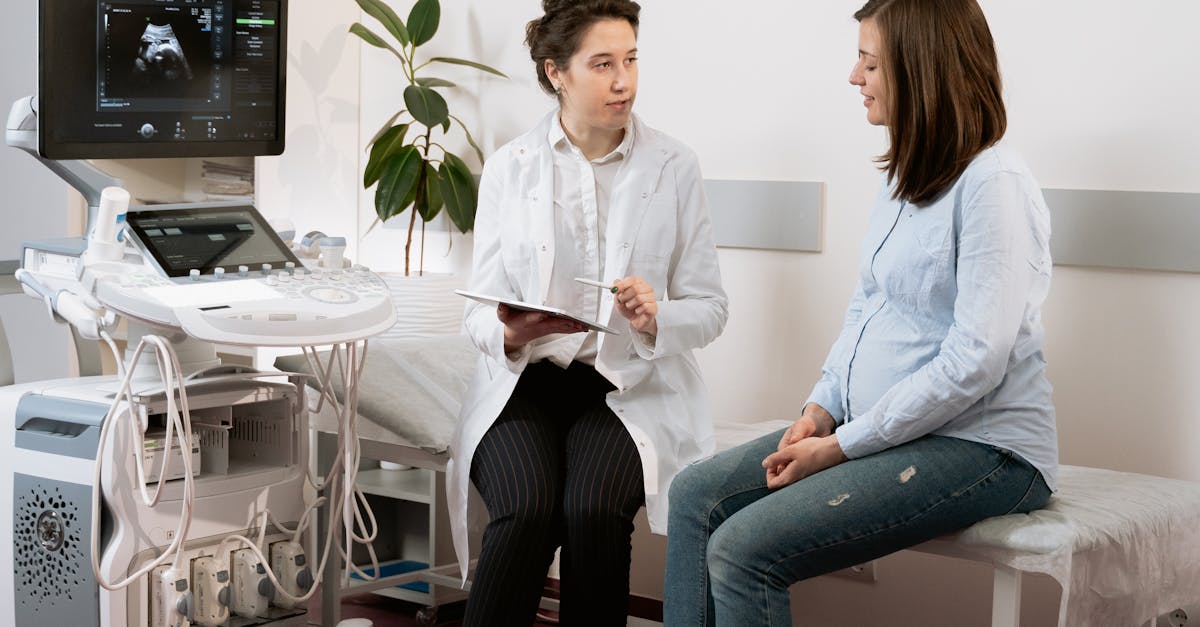
The practice of defensive medicine can significantly impact the overall quality of patient care. Healthcare providers often order unnecessary tests and procedures to protect themselves from potential lawsuits. This emphasis on legal safety can lead to an over-reliance on technology and interventions, sometimes overshadowing the importance of direct patient-provider communication and clinical judgment.
Patients may experience a disconnect when their concerns are sidelined in favor of extraneous medical evaluations. While some additional testing might catch potential issues, it can also result in false positives, unnecessary anxiety, and added expenses for patients. Consequently, the healthcare experience may become more focused on risk management rather than genuinely addressing patient needs and fostering trust in the healthcare system.
This new blog post covers this topic in more detail.
Balancing Safety and Treatment Effectiveness
In healthcare, the challenge lies in striking a balance between ensuring patient safety and maintaining treatment effectiveness. Providers often feel pressured to order unnecessary tests or procedures to shield themselves from potential malpractice claims. This practice, rooted in the fear of litigation, can lead to an overmedicalization of care, where patients undergo treatments that may not enhance their outcomes but instead contribute to rising healthcare costs. A focus on defensive medicine can overshadow the genuine needs of patients, detracting from personalized care plans that prioritize their well-being.
Effective communication with patients fosters an environment where safety does not compromise treatment quality. By engaging patients in discussions about the risks and benefits of proposed interventions, providers can cultivate trust and understanding. This approach encourages a collaborative decision-making process. Such emphasis on transparency can alleviate some of the fears driving defensive medicine, allowing healthcare professionals to practice with greater confidence and clarity while staying committed to delivering high-quality care.
Psychological Effects on Healthcare Providers
The pressures of practicing defensive medicine create significant psychological burdens for healthcare providers. Constantly navigating the fears of malpractice claims can lead to heightened anxiety levels. The proactive measures taken to avoid potential lawsuits often overshadow clinical judgment. This shift not only complicates the decision-making process but can result in diminished job satisfaction and morale among medical professionals.
Burnout manifests as a common response to the stressors associated with defensive medicine. The need to perform excessive tests and procedures generates additional workloads and time management challenges. Providers may experience emotional exhaustion, detachment from their work, and a reduced sense of accomplishment. Over time, these factors contribute to a cycle of dissatisfaction that can impact both personal well-being and professional effectiveness.
Stress and Burnout from Defensive Strategies
The practice of defensive medicine can lead to high levels of stress among healthcare providers. Constantly worrying about potential legal repercussions can create an environment where making decisions becomes burdened by fear rather than guided by patient needs. This anxiety can disrupt the doctor-patient relationship, as physicians may overemphasize unnecessary tests and procedures, which can confuse patients and erode their trust in providers.
Additionally, the pressure to avoid lawsuits can contribute significantly to burnout. When medical professionals feel compelled to prioritize legal protection over clinical judgment, their job satisfaction may decline. This discontent not only affects their mental and emotional well-being but can also ripple through the healthcare system, impacting team dynamics and overall quality of care delivered to patients.
Alternatives to Defensive Medicine
Exploring alternatives to defensive medicine can lead to a more balanced approach in healthcare. Emphasizing evidence-based practices enables physicians to focus on the most effective treatments without unnecessary additional tests or procedures. This shift not only contributes to patient safety but also fosters a culture of trust between patients and their healthcare providers. By prioritizing informed decision-making, physicians can better engage patients in their care and tailor interventions to individual needs.
Enhanced communication strategies also serve as a valuable alternative to defensive medicine. Encouraging open conversations about treatment options, potential risks, and patient preferences allows for shared decision-making. This approach empowers patients, helping them feel more involved in their healthcare journey while reducing the perceived need for excessive precautions. Implementing systematic training programs that focus on communication skills for healthcare providers can significantly improve the patient experience and diminish the reliance on defensive practices.
Approaches to Enhance Patient Safety
Improving patient safety requires a multifaceted approach that emphasizes communication between healthcare providers and patients. Encouraging open dialogue can lead to better understanding of patient needs and concerns. This includes actively involving patients in their care decisions, which fosters a sense of ownership over their treatment plans. Furthermore, implementing standardized protocols can help ensure consistent practices across medical teams. Regular training sessions and workshops can keep staff updated on the latest safety procedures.
Another effective strategy involves utilizing technology to enhance monitoring and reporting of patient outcomes. Electronic health records can provide valuable data that identifies trends and potential areas for improvement. Integrating decision-support tools within these systems can aid clinicians in making informed choices. Additionally, establishing a culture of safety where staff feel safe to report errors without fear of retribution encourages a proactive approach to identifying risks. This environment promotes continuous learning and improvement, ultimately benefiting patient care.
FAQS
What is defensive medicine?
Defensive medicine is a practice in which healthcare providers take extra precautions, such as ordering unnecessary tests or procedures, primarily to protect themselves from potential malpractice lawsuits rather than to benefit the patient.
How does defensive medicine affect the quality of patient care?
Defensive medicine can lead to overdiagnosis and overtreatment, which may compromise the quality of patient care by exposing patients to unnecessary risks and side effects from unnecessary procedures or tests.
What psychological effects can healthcare providers experience from practicing defensive medicine?
Healthcare providers may experience increased stress and burnout due to the anxiety of potential litigation, leading to a negative impact on their mental well-being and job satisfaction.
Are there alternatives to practicing defensive medicine?
Yes, alternatives include adopting evidence-based practices, enhancing communication with patients, and implementing risk management strategies to improve patient safety without resorting to excessive defensive measures.
How can healthcare providers balance safety and treatment effectiveness without practicing defensive medicine?
Providers can balance safety and treatment effectiveness by relying on clinical guidelines, engaging in shared decision-making with patients, and focusing on individualized care that prioritizes patient needs over legal concerns.
Related Links
What are the three basic defensive tasks?When would a physician practice defensive medicine?